Throw pillows provide both comfort and style in living spaces, offering supportive surface area for seating and decorative accents that harmonize with bedding and room design. These lightweight cushions come in a variety of shapes, sizes, and materials, enhancing relaxation while contributing to overall interior aesthetics. Understanding fabric tones, fill types, and maintenance can help optimize durability and longevity.
Common throw pillow fills include hypoallergenic fibers, memory foam blends, and down alternatives, each delivering distinct levels of support and loft. Knitted or woven covers, often made from cotton, polyester blends, or velvets, influence temperature regulation and tactile experience. Selecting appropriate fill and cover materials improves neck alignment and provides versatile comfort for lounging or reading.
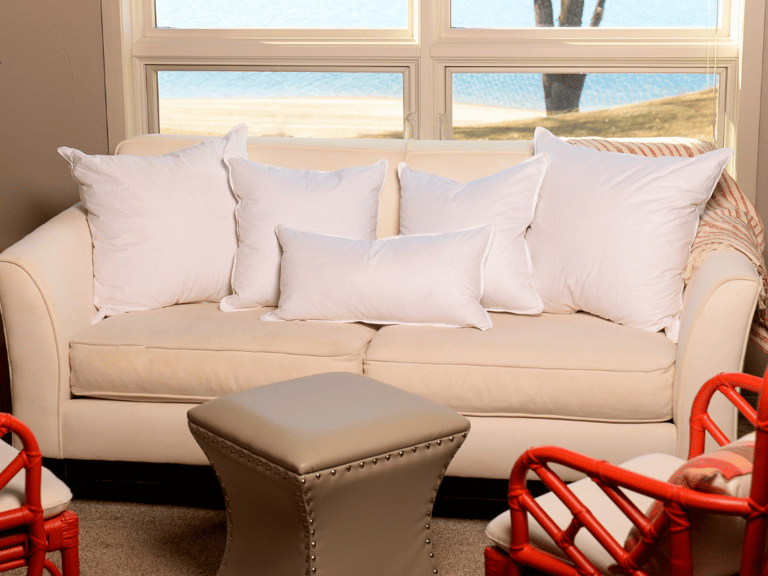
In the realm of decorative pillows, Euro decorative pillows and other throw pillows play a dual role: adding vertical dimension and reinforcing a cohesive color story. Euro pillows typically measure larger than standard throws, offering a plush backrest when arranged against sofas or beds. Their removable, washable covers support easy care and longevity.
Memory foam pillows integrated into throw designs can offer targeted support for head and neck alignment, while latex-based options emphasize resilience and shape recovery. Travel pillow variants, though smaller, share core properties such as ergonomic shaping and compact portability, enabling better support during transit or short rest breaks at home.
Understanding practical uses—like layering pillows to define seating zones, accentuating bedding schemes, or providing transitional comfort between chairs—helps in selecting appropriate sizes and textures. Key considerations include fabric durability, ease of cleaning, fill density, and how pillow choices complement overall bedding and living space aesthetics, including color, pattern, and texture harmony.
 Bedding